
Why Carpet Cleaning Prices Vary: What You Should Expect for Your Money
A homeowner’s guide to comparing carpet cleaning services, understanding the process, and choosing quality with confidence.
Dr. Carpet · Homeowner guide
Two quotes, two very different prices
You request two carpet cleaning quotes for the same rooms and receive two very different prices. It is reasonable to wonder: why should I pay more? Aren’t both companies cleaning the same carpet?
The difference becomes clearer when you look at what each service includes: inspection, preparation, cleaning products, soil removal, rinsing, and drying. A lower price does not automatically mean poor work. A higher price does not automatically guarantee quality. What matters is whether the company can explain its process, why it is appropriate for your carpet, and what you can realistically expect. At Dr. Carpet Cleaner, we believe homeowners deserve that information before they book.
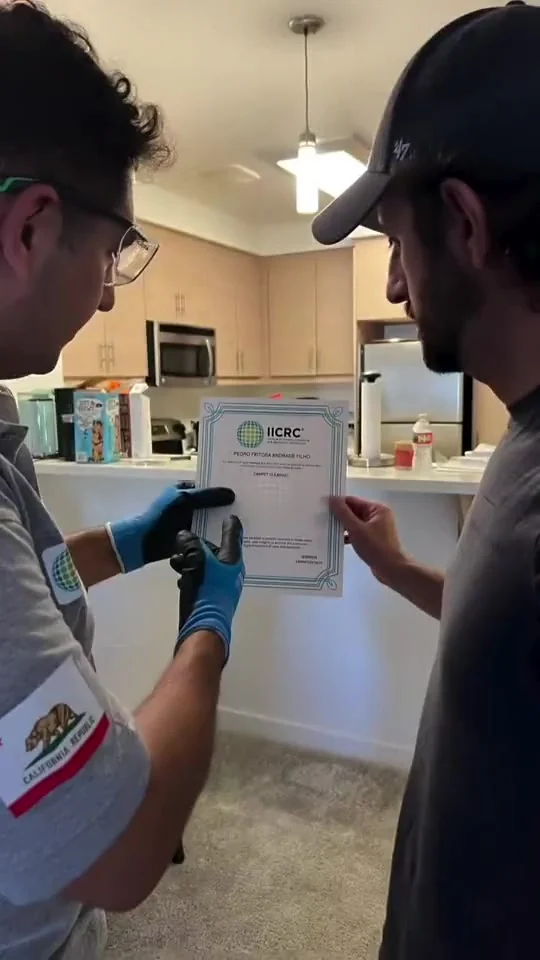
A $10 car wash or a $300 detail? How carpet cleaning is different
Think about car care: someone might choose a $10 drive-through wash or spend $300 on a full detail. These are illustrative prices, but the distinction is familiar. Customers understand that those services involve different amounts of work and different results.
With carpet cleaning, those differences can be harder to recognize. Two companies may advertise “carpet cleaning” while including very different procedures in their quotes.
There is also an important technical consideration: carpet care requires decisions about inspection, fiber compatibility, cleaning chemistry, soil removal, and manufacturer instructions. Those decisions matter even when a carpet does not look heavily soiled. Different carpets and conditions can require different methods or levels of treatment. However, the service should always be appropriate for the material and its needs.

Before comparing prices, understand what will be done, why it is appropriate, and what result you can reasonably expect.
“Regular cleaning” vs. “deep cleaning”: look beyond the labels
You may see carpet cleaning advertised as “regular,” “basic,” “deep,” or “premium.” Those labels alone do not tell you which procedures are included.
There are legitimate differences between routine maintenance and more intensive cleaning. Different fibers, soil conditions, and installations can also require different approaches. That is why professional judgment matters more than a package name or a fixed number of steps.
The ANSI/IICRC S100 Standard for Professional Cleaning of Textile Floor Coverings addresses carpet evaluation, cleaning chemistry, methods, inspections, and spot and stain removal. Its scope reflects the need to select procedures for the carpet and its condition. Learn about the IICRC S100 standard.
The useful question is: “What will you do to clean my carpet properly, and what is included in the price?”
Quality begins before the cleaning machine starts
A professional service involves decisions that may not be obvious from a quick before-and-after photo.
What kind of carpet is it?
Fiber and construction decide which products and methods are appropriate.
Soil, stain or wear?
Visible marks can be removable soil, permanent staining or wear. Each one calls for a different answer.
Is there an odor?
Some odors need specialized treatment, not just routine cleaning or fragrance.
These questions help establish an appropriate cleaning plan and realistic expectations. Preparation matters, too. The Carpet and Rug Institute specifically recommends asking whether a professional vacuums before deep cleaning, describing that preparation as critical to the result. CRI’s residential carpet cleaning guidance.
The value of a service includes the work that happens before extraction, and the care taken afterward.
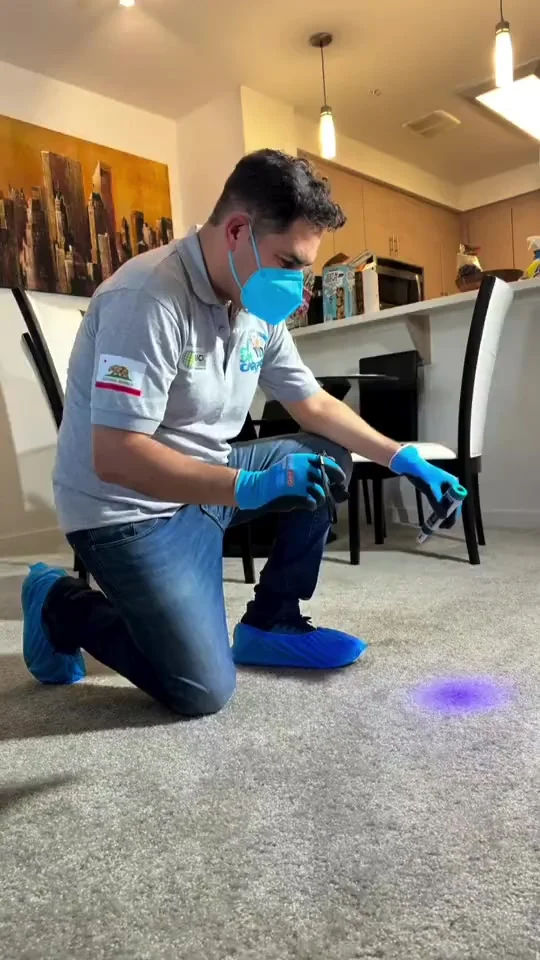
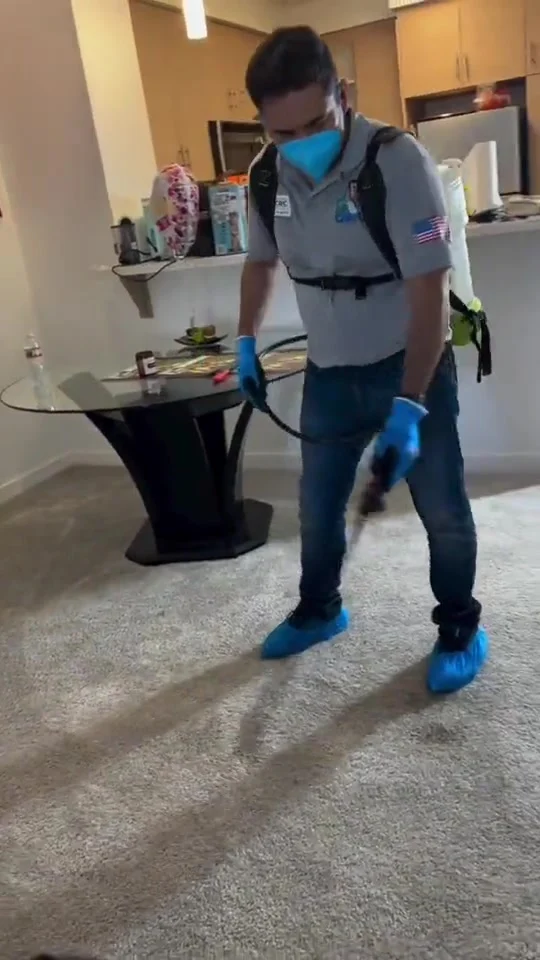
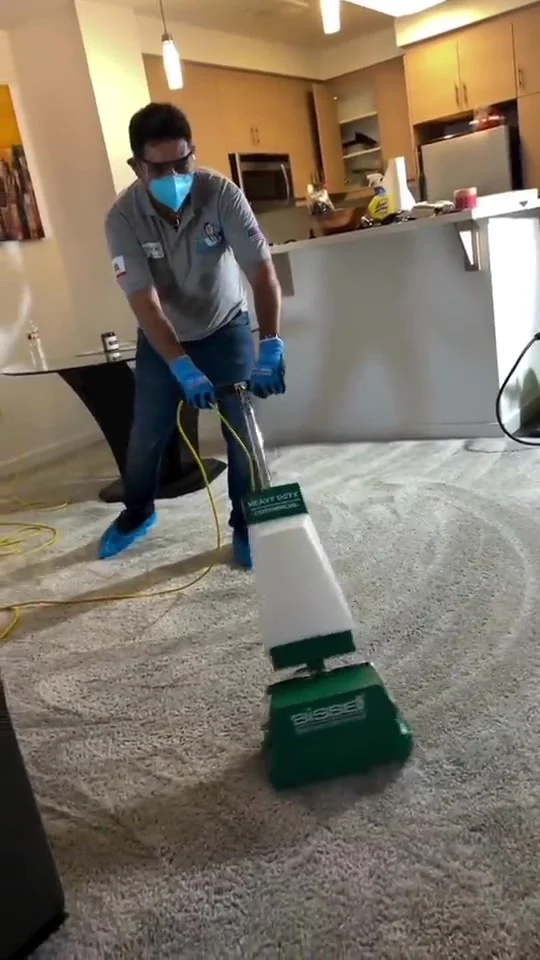
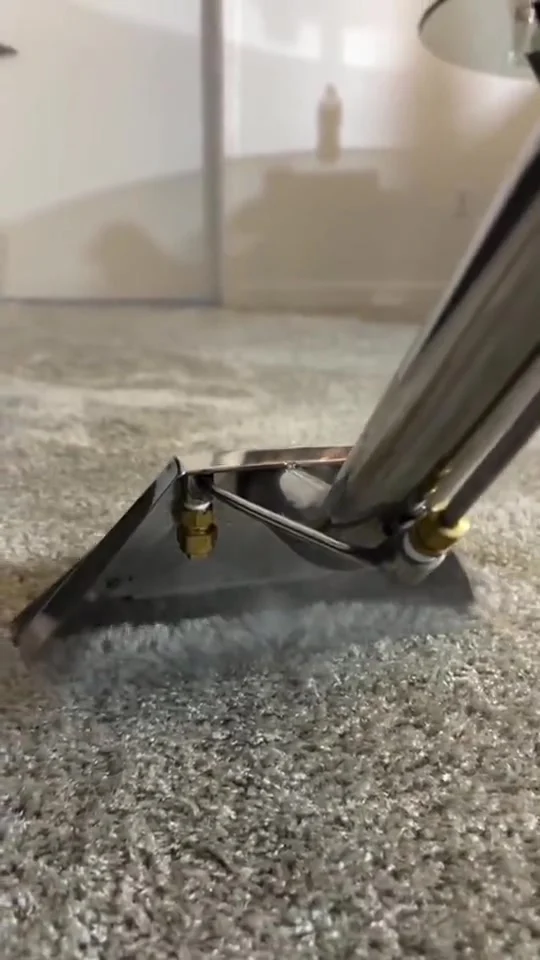
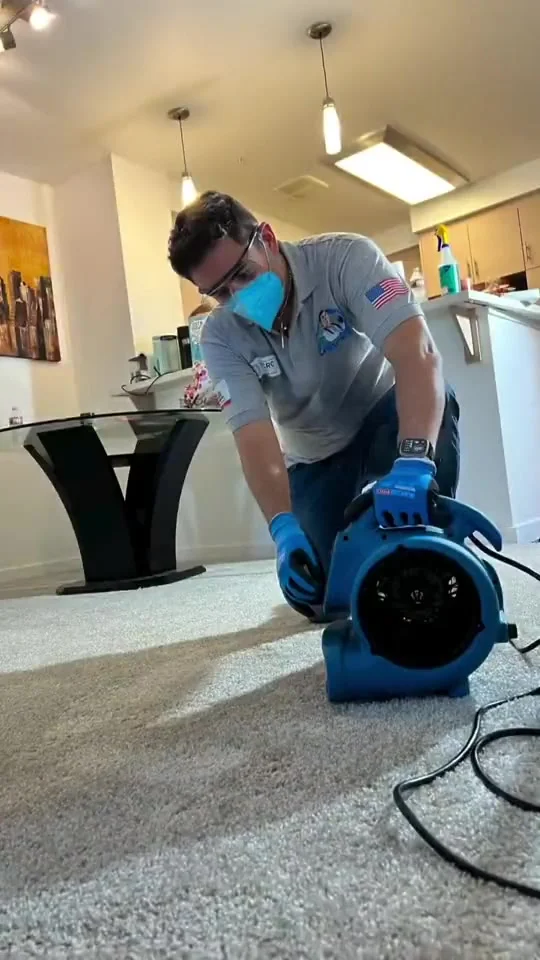
On a real Dr. Carpet job
Warranty
Is your carpet still under warranty? Choose your cleaner carefully
If your carpet is still under warranty, your choice of cleaning professional matters. Some manufacturers require scheduled professional cleaning, specific methods, and proof of maintenance. Mohawk’s published warranty guidance, for example, includes requirements for certified professional care that follows the IICRC S100 standard. See Mohawk’s warranty and care requirements.
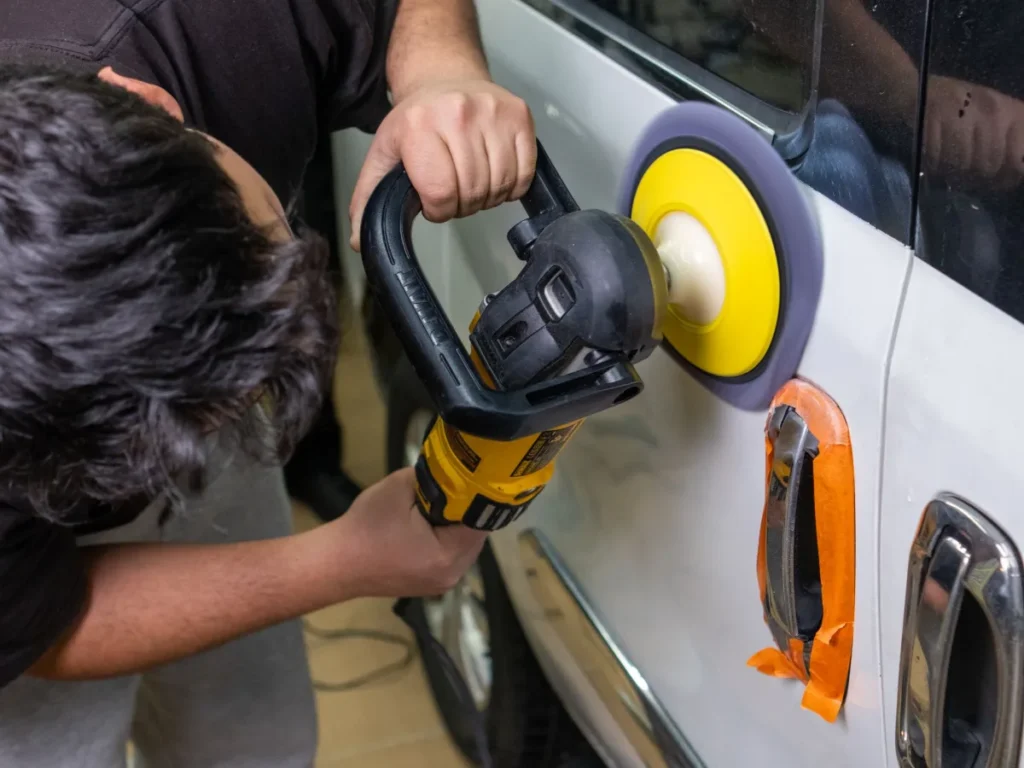
Hiring an IICRC-certified company and technician can help you meet applicable professional-care requirements. Certification alone does not guarantee coverage: always follow your carpet’s specific warranty instructions and keep your cleaning invoices.
Dr. Carpet Cleaner is an IICRC Certified Firm, and Pedro Andrade is an IICRC Certified Technician. Let us know if your carpet is under warranty so we can consider its care requirements before cleaning.

How we work
Our multi-step approach at Dr. Carpet Cleaner
For our customers, our credentials accompany a commitment to explain our process, select appropriate treatments, and communicate honestly about expected results.
Our cleaning approach includes the following elements, adapted to the carpet’s fiber, condition, manufacturer’s guidance, and treatment needs. Some treatments may be combined or performed in a different order.
1. Inspection and expectations
We evaluate the carpet, discuss your concerns, and identify areas that may need extra attention. We also explain limitations, including stains, wear, or damage that cleaning may not reverse.
2. Professional vacuuming
We remove loose, dry soil before applying cleaning solutions. This preparation is part of the service, even though it may be less noticeable than the extraction stage.
3. Appropriate cleaning solution
We select a preconditioning solution suited to the carpet and the type of soil present. Product choice and proper dilution are part of the process.
4. Controlled agitation and working time
Where appropriate, we use suitable brushing or agitation to distribute the solution and help loosen soil. We allow the product time to work according to its directions.
5. Targeted spot and stain treatment
We assess individual spots and apply appropriate treatments. Different marks may require different approaches, and permanent discoloration cannot always be removed.
6. Hot water extraction
For suitable carpets, we use hot water extraction, commonly called steam cleaning, to remove loosened soil and cleaning solution.
7. Rinsing and pH management
We select an appropriate rinsing approach and address pH as required by the products and carpet involved. Our process includes pH neutralization where appropriate, alongside thorough extraction.
8. Odor treatment
When odors are present, we assess the likely source and discuss suitable treatment. Odor concerns may require more than routine surface cleaning.
9. Deodorizing or antimicrobial treatment, when appropriate
Selected according to the carpet’s needs, product labeling, and manufacturer compatibility. An antibacterial product is not automatically appropriate for every carpet, and fragrance alone does not demonstrate cleanliness.
10. Grooming
Where suitable for the carpet construction, we groom the pile to leave a consistent finish.
11. Drying support and final review
We extract remaining moisture, use drying assistance as appropriate, and provide aftercare guidance. Drying time depends on the carpet and conditions in the home.
The Carpet and Rug Institute notes that certain topical treatments, including antimicrobials and deodorizers, may affect warranty coverage without manufacturer approval. CRI Carpet and Rug Care Guide.
The number of steps is only useful when each step serves a purpose. Our focus is careful execution and an approach suited to your carpet.
Every step, done on site by our team
- Rated Excellent on GoogleReal reviews from East Bay clients
- IICRC Certified FirmTrained technicians, licensed and insured
- Safe for kids and petsProducts matched to every fiber and surface
- Locally ownedServing Walnut Creek and the East Bay
The number of steps is only useful when each step serves a purpose. We explain each one before we start.
Why can carpet seem to get dirty again after cleaning?
If your carpet looked better immediately after cleaning but soon seemed dirty again, it is understandable to question the result. One possible contributor is cleaning-product residue.
The Carpet and Rug Institute explains that some spot-cleaning solutions leave residues that attract soil and emphasizes thorough rinsing. CRI guidance on cleaning residues.
This is why product selection, dilution, rinsing, and extraction deserve attention. A carpet’s appearance immediately after cleaning does not tell the whole story about how the work was performed.
Where does pH neutralization fit?
pH management is one part of selecting and using compatible cleaning chemistry. It should work together with effective soil and product removal.
Applying a neutralizing product does not, by itself, prove that cleaning residues have been removed. Equally, carpet becoming dirty again does not automatically prove that a cleaner skipped neutralization.
A returning spot can also involve wicking, where material from deeper in the carpet moves back toward the surface as moisture dries. Mohawk discusses wicking in its carpet care guidance. Mohawk carpet care and warranty brochure.
A professional should assess what happened before recommending more treatment.
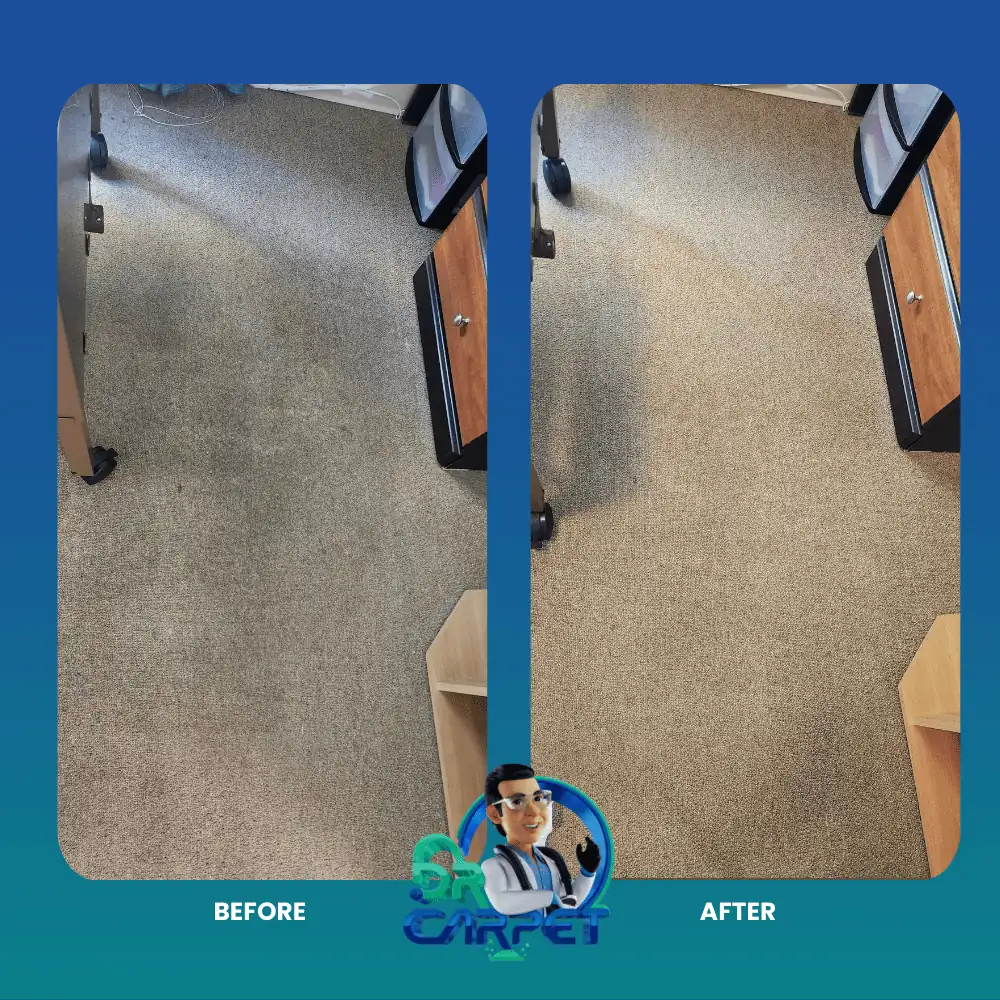
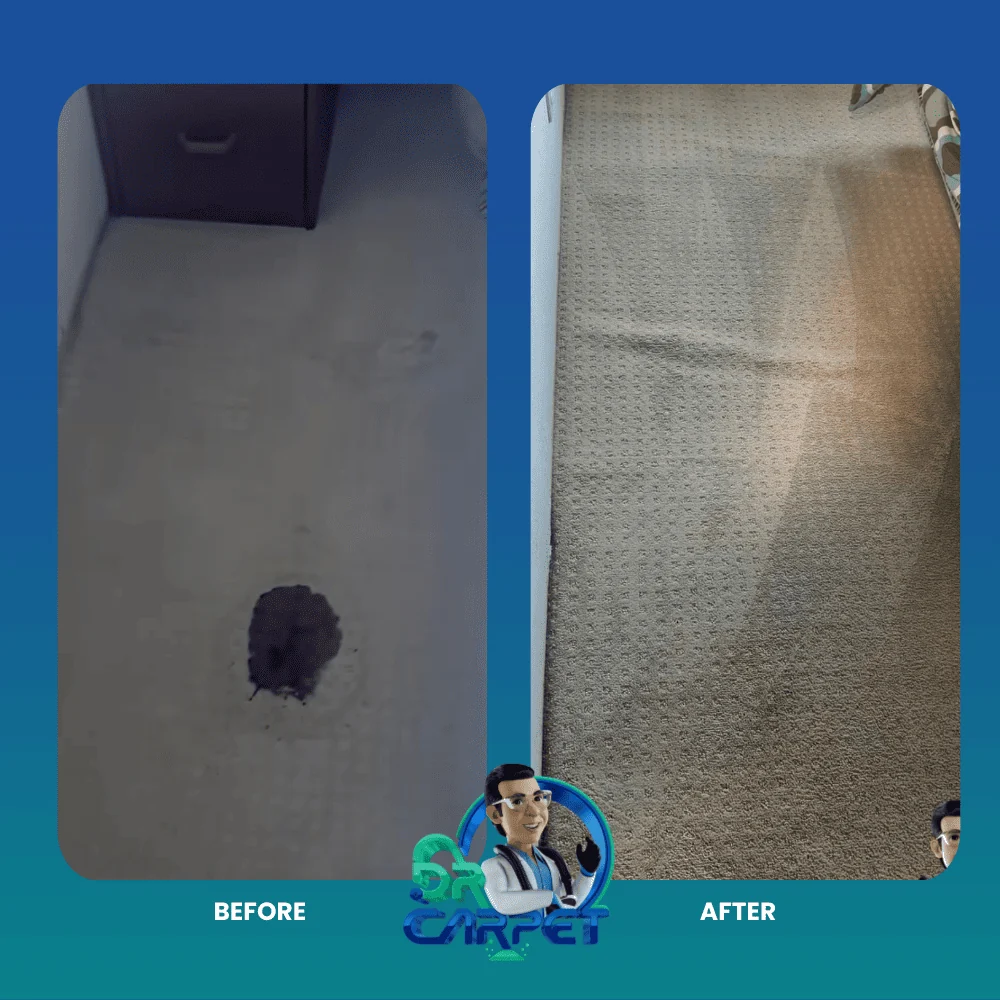
What are you paying for in a premium service?
At Dr. Carpet Cleaner, our pricing reflects the time, preparation, products, equipment, and attention involved in the service we describe. That includes evaluating the carpet, preparing it for cleaning, treating problem areas appropriately, performing extraction carefully, and reviewing the result with you.
The work you see
- Inspection and a walk-through of your concerns
- Vacuuming and preparation
- Spot and stain treatment
- Hot water extraction
- A final review of the result with you
The work you may not see
- Choosing compatible cleaning chemistry
- Correct dilution and working time
- Careful rinsing and residue removal
- pH management where appropriate
- Moisture removal and drying support
Some of that work is easy to see. Other parts, such as selecting compatible chemistry or taking care with rinsing, may be less visible to the homeowner. Both deserve attention.
We also believe in explaining limitations. Professional cleaning can remove soil and improve appearance, but it cannot reverse every form of wear, discoloration, or damage.
You should understand both the work included and the outcome that is realistically achievable.
Checklist
Eight questions to ask before booking carpet cleaning
When comparing quotes, ask each company the same questions:
- What is the total price, including any minimum service charge or additional fees?
- Do you inspect and vacuum the carpet before cleaning?
- How do you choose products and methods for my carpet?
- What spot treatments and odor treatments are included, and what costs extra?
- How do you manage rinsing, residue removal, and moisture?
- What certification does the company hold, and is the technician performing the work also certified?
- Can you consider my carpet’s warranty requirements and provide a detailed cleaning invoice?
- What results, drying conditions, and aftercare should I expect?
A professional company should be comfortable answering clearly. You do not need to become a carpet cleaning expert. You need enough information to understand what you are purchasing.
Make your decision with the full picture
Your budget matters. So does knowing what the quoted price covers.
Before choosing a service, compare the scope, preparation, treatment approach, and communication alongside the price per room. If your carpet is under warranty, include its maintenance requirements in that comparison.
At Dr. Carpet Cleaner, we welcome questions about our process. Our goal is to help you make an informed decision and provide careful, professional service for your home. See our carpet cleaning service, floor care and the towns we serve across the East Bay.
Real jobs
Carpet cleaning results
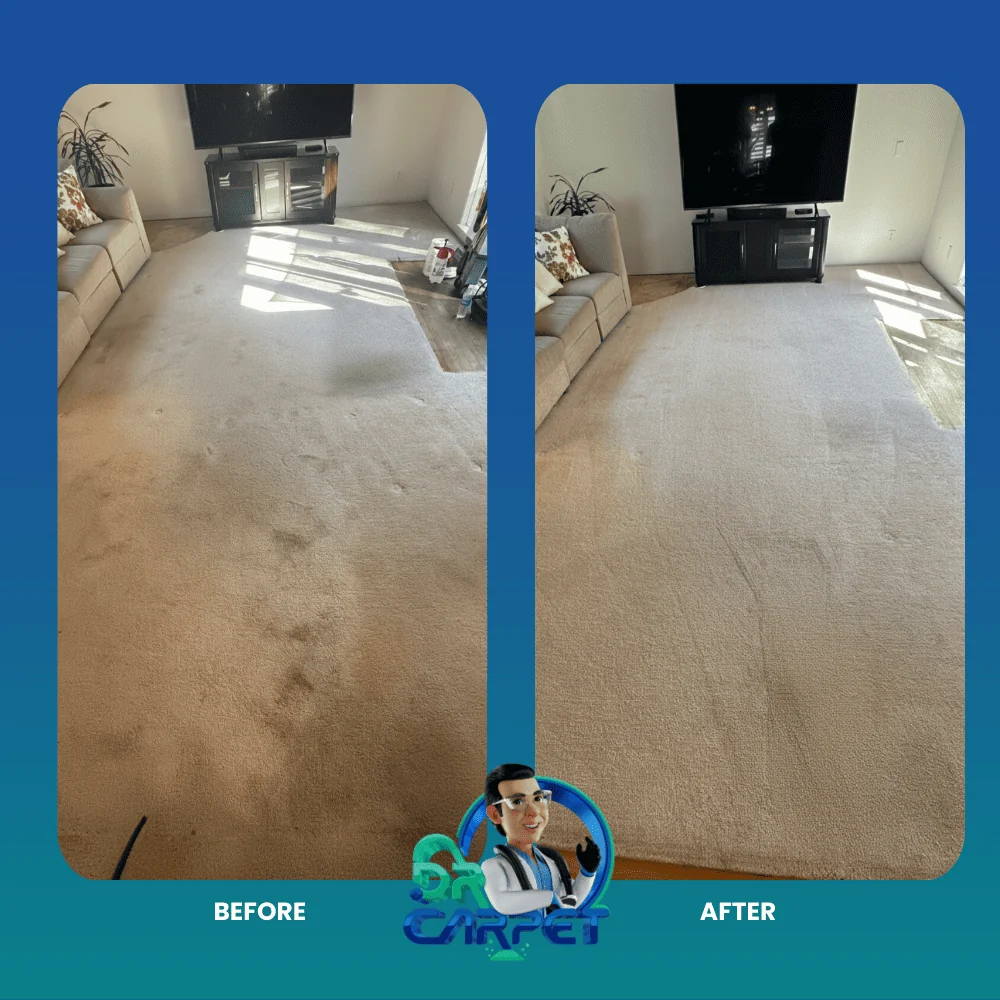
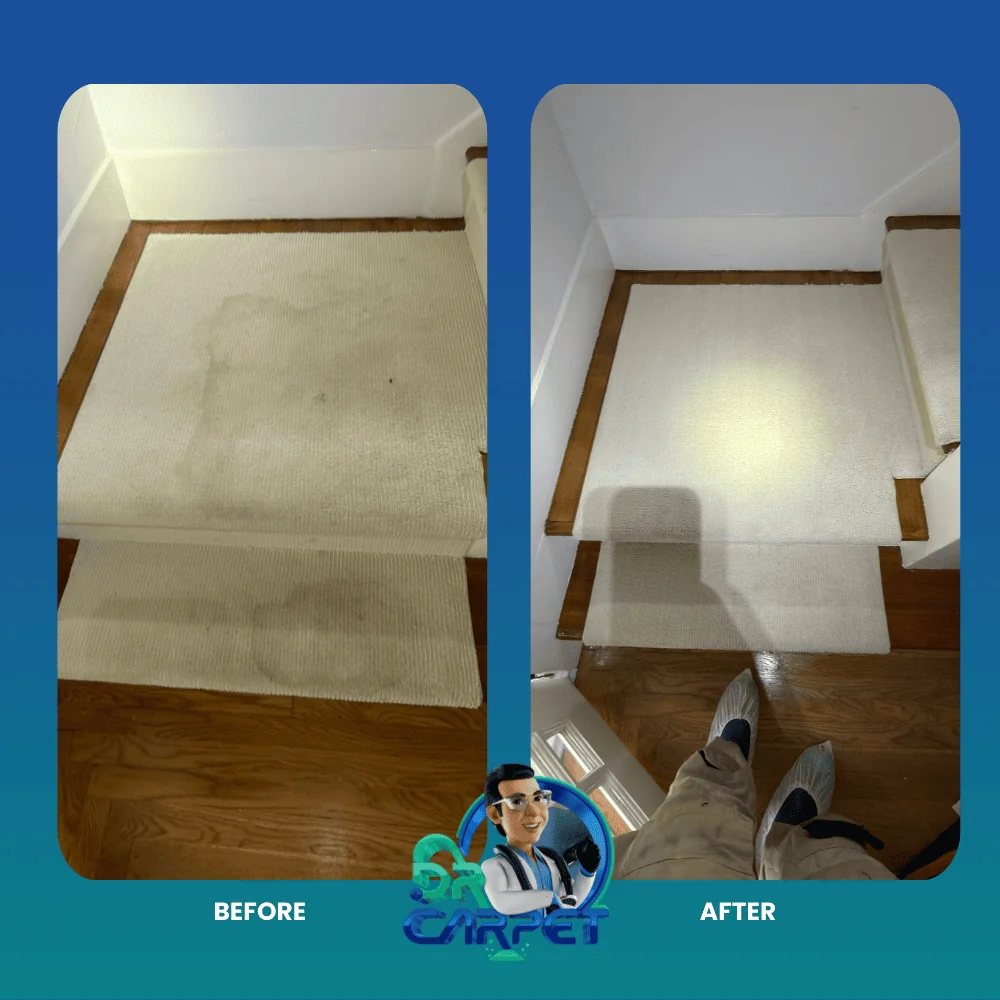
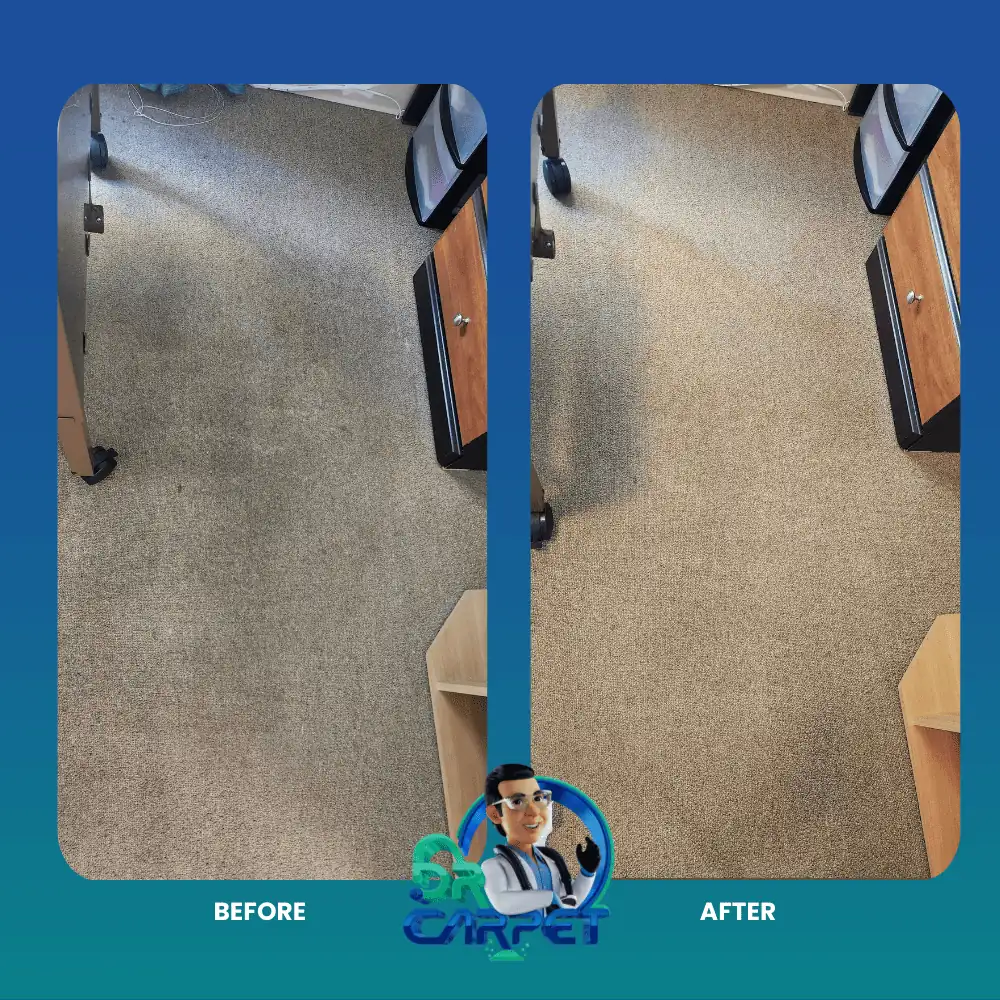
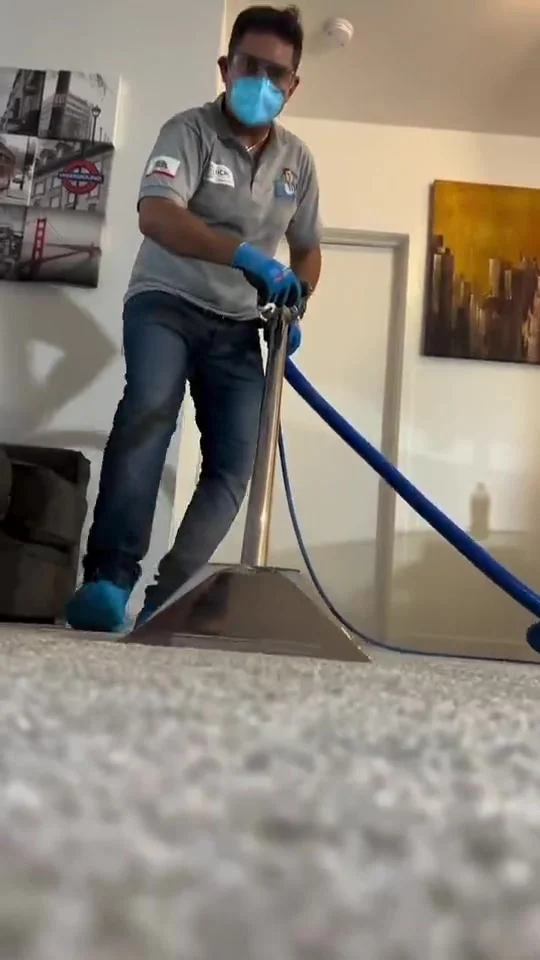
Before and after photos from homes and businesses across Walnut Creek and the East Bay. Tap a video to play it.


Carpet cleaning prices: common questions
Why do two carpet cleaning quotes differ so much?
Because they may not include the same work. Inspection, vacuuming, product choice, spot treatment, rinsing, pH management and drying all take time and materials. Ask each company what is included before comparing prices.
Does a higher price always mean better cleaning?
No. A higher price does not automatically guarantee quality, and a lower price does not automatically mean poor work. What matters is whether the company can explain its process and why it suits your carpet.
Why does my carpet look dirty again soon after cleaning?
One possible cause is cleaning-product residue that attracts soil. Wicking, where material deeper in the carpet moves up as it dries, can also cause returning spots. A professional should assess which one it is before treating again.
Can hiring an IICRC-certified cleaner help with my carpet warranty?
It can help you meet professional-care requirements that some manufacturers set, but certification alone does not guarantee coverage. Follow your warranty instructions and keep your cleaning invoices.
What should I send to get an accurate quote?
Your ZIP code, the rooms or areas to clean, photos of any stains, details about odors or pet accidents and your preferred date. We explain the recommended service, what is included and the price before you book.
Want a clear price and a clear scope?
Send us your ZIP code, the rooms you would like cleaned, photos of any stains or areas of concern, details about odors or pet accidents and your preferred date. We explain the recommended service, what is included and the price before you book.
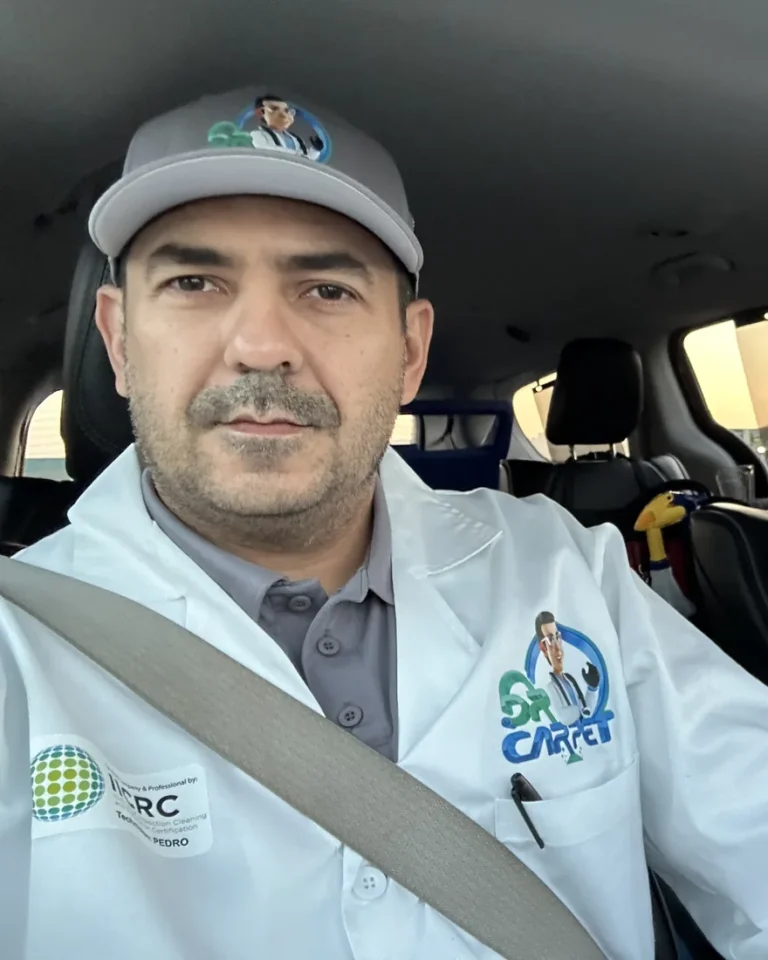
Pedro Andrade
Based in Walnut Creek, Dr. Carpet Cleaner serves homeowners throughout the surrounding East Bay. I founded the company in 2018 and still follow the same rule on every job: explain the process, choose the right treatment for the carpet, and be honest about what cleaning can and cannot achieve. Call or text me at (925) 420-8486.
Certified Company. Certified Technician. Professional Carpet Care.