Pressure Washing vs. Pure Water: How to Clean Solar Panels and Windows
Both use water, but they do very different jobs. Here is why we never pressure wash glass or panels, what a pure water system actually does, and how interior windows fit in.
Dr. Carpet · Windows and solar guide
Same water, three different tools
People often ask us to “power wash” their solar panels or windows. It is a fair question: the driveway came out great, so why not the glass? The short answer is that pressure washing removes dirt by force, and glass and solar panels need dirt removed by chemistry and agitation, then rinsed with water that leaves nothing behind.
Solar panels and exterior windows are cleaned with the same pure water system and almost the same steps. Interior windows are a third case, done by hand. This guide explains each one so you know what to ask for.
What pressure washing is good at, and where it stops
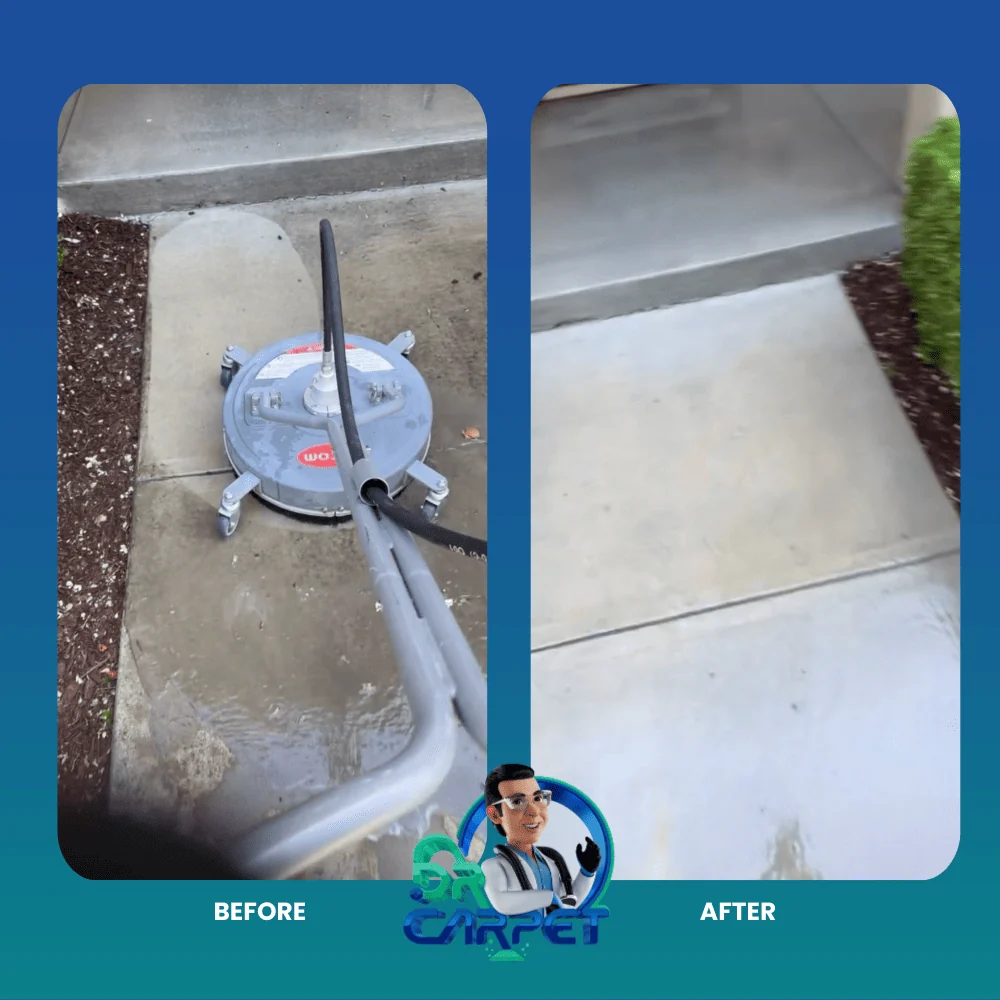
Pressure washing sends water out at high pressure to blast grime off hard, durable surfaces: concrete driveways, sidewalks, walkways, pool decks, garage floors and patios. On those surfaces force is the right tool, and we use it every week.
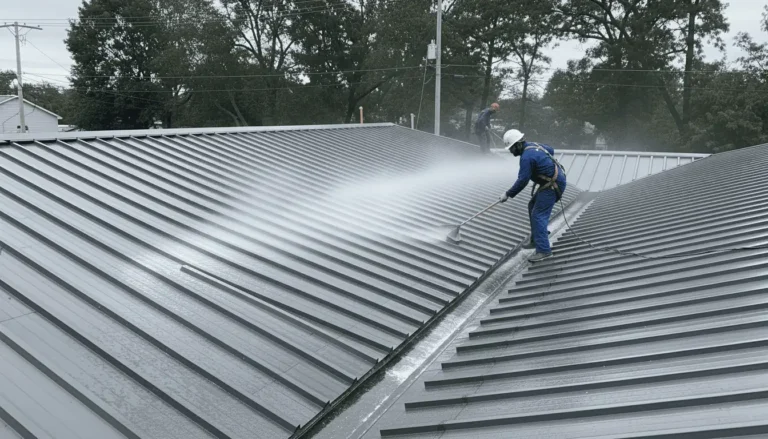
Soft washing is its gentler cousin. It uses low pressure and a cleaning solution that does the work, which is how we clean roofs, siding, stucco and fences without damaging them.
Glass and solar panels are a different story. High pressure can push water past window seals and into frames, damage panel seals and junction boxes, and void some solar warranties. It also leaves the minerals in tap water on the surface, which dry into spots. On a solar panel, those spots block light and cut production. That is why neither glass nor panels ever see a pressure washer on our jobs.

How a pure water system works
Tap water in the East Bay carries dissolved minerals, measured as TDS (total dissolved solids). When it dries, the minerals stay behind as spots. Pure water removes them before the water ever touches your glass.
Four filtration stages
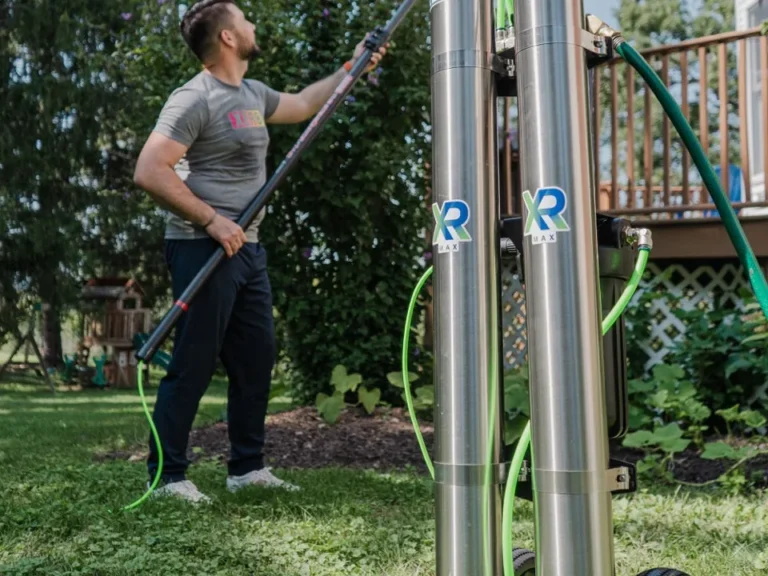
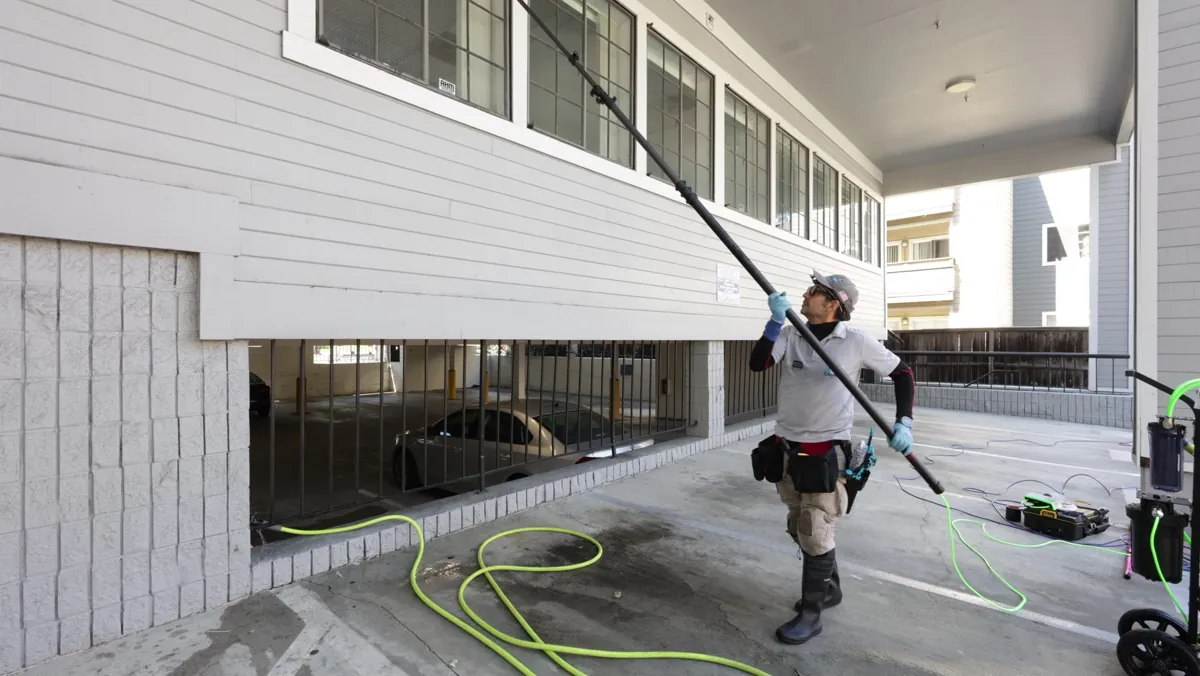
Our XERO Pure MAX system runs water through a pre-filter, two reverse osmosis membranes and a deionizing resin polish. What comes out reads 0 TDS on the meter.
Spot-free drying
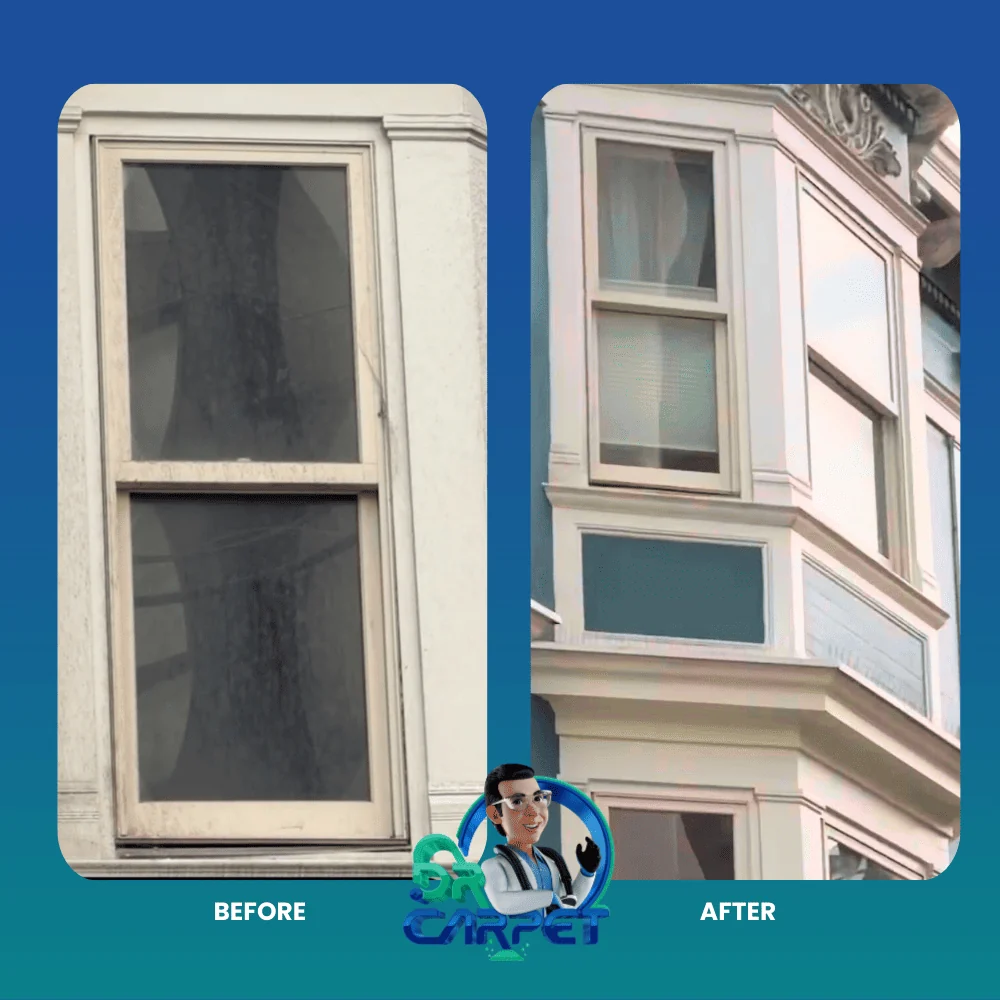
Water with nothing dissolved in it dries clean. No squeegee marks, no towels on the glass, and no mineral film on the panel surface that would block light.
Water-fed poles to 40 ft
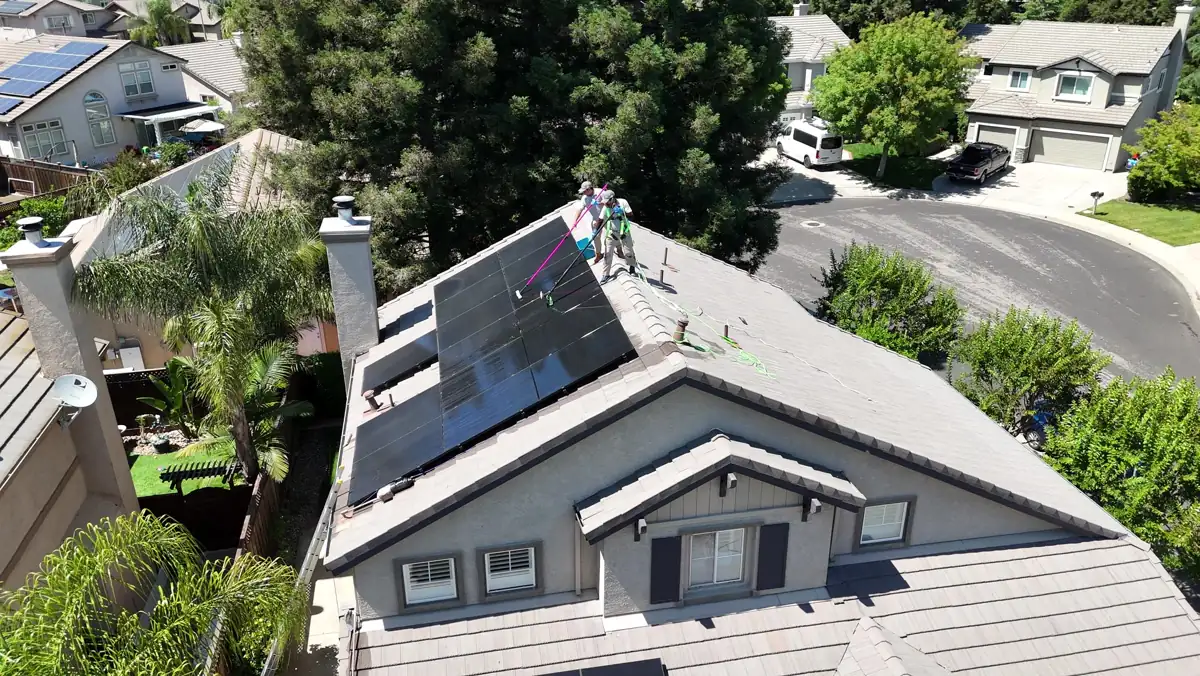
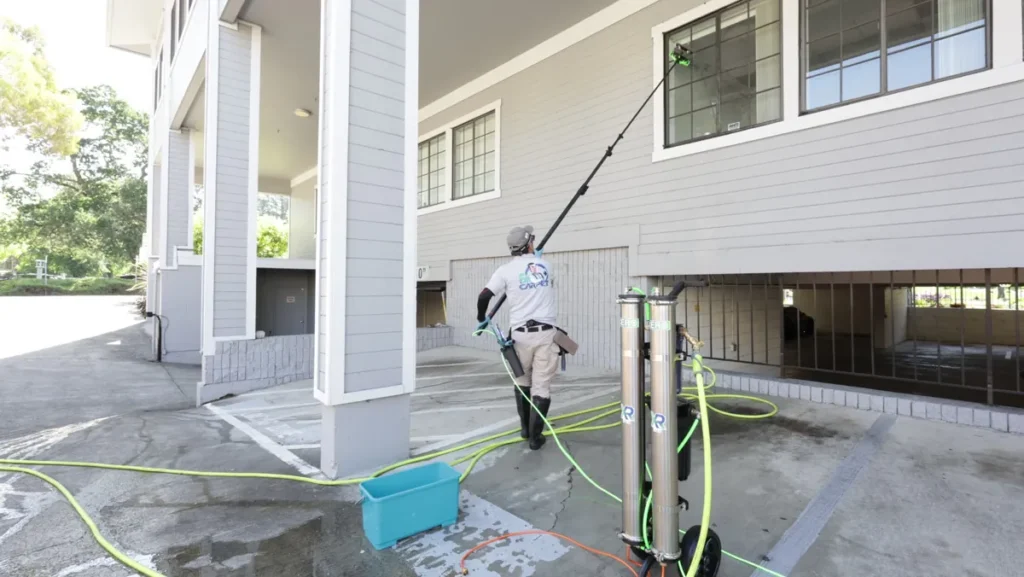
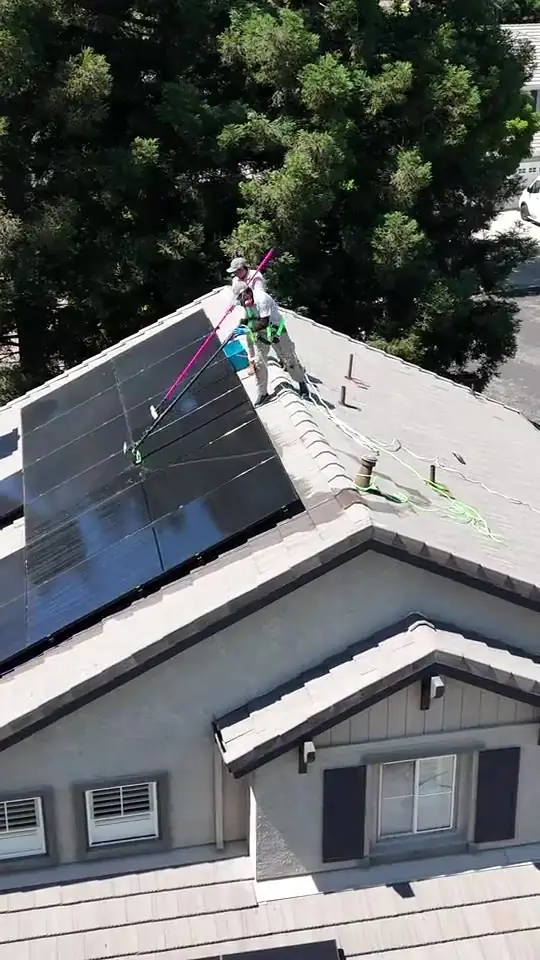
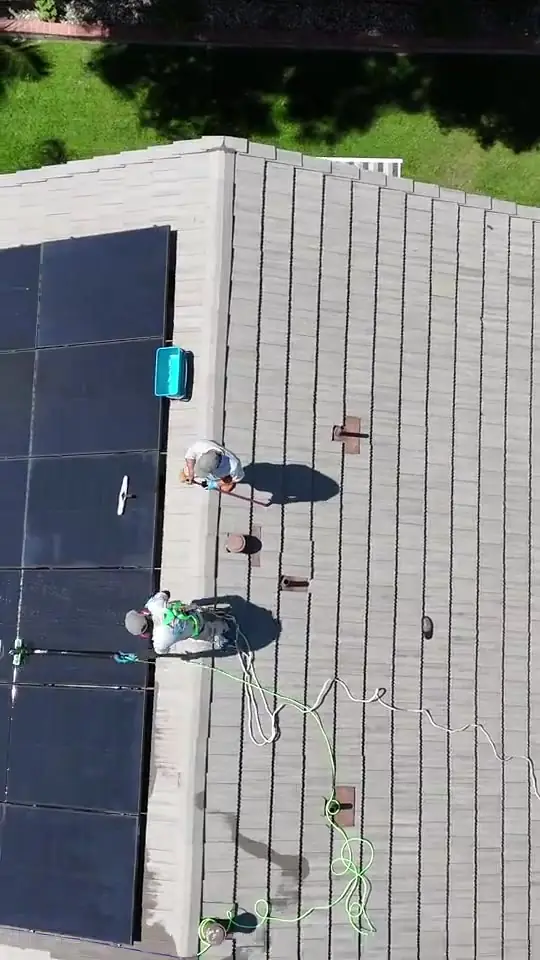
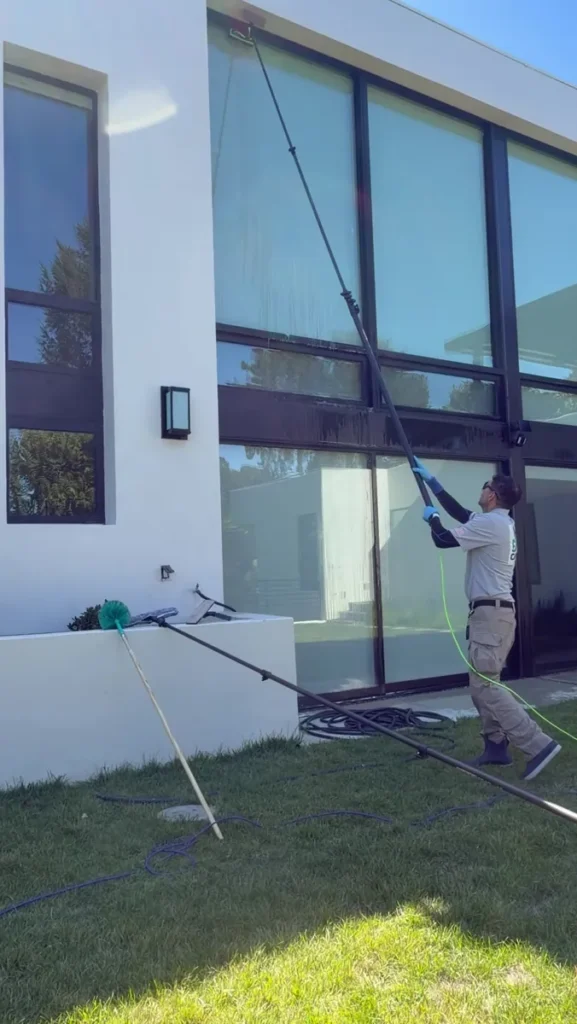
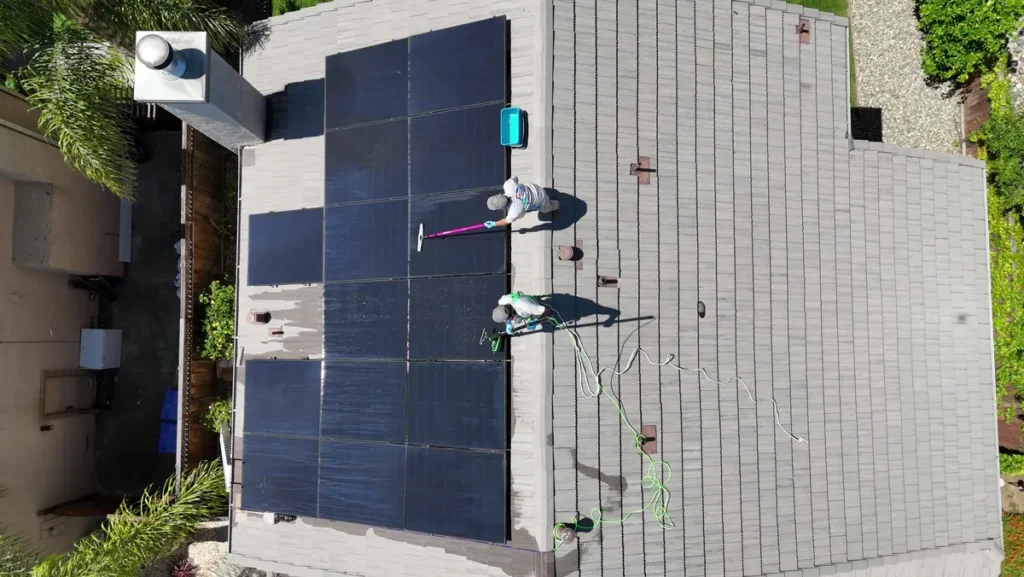
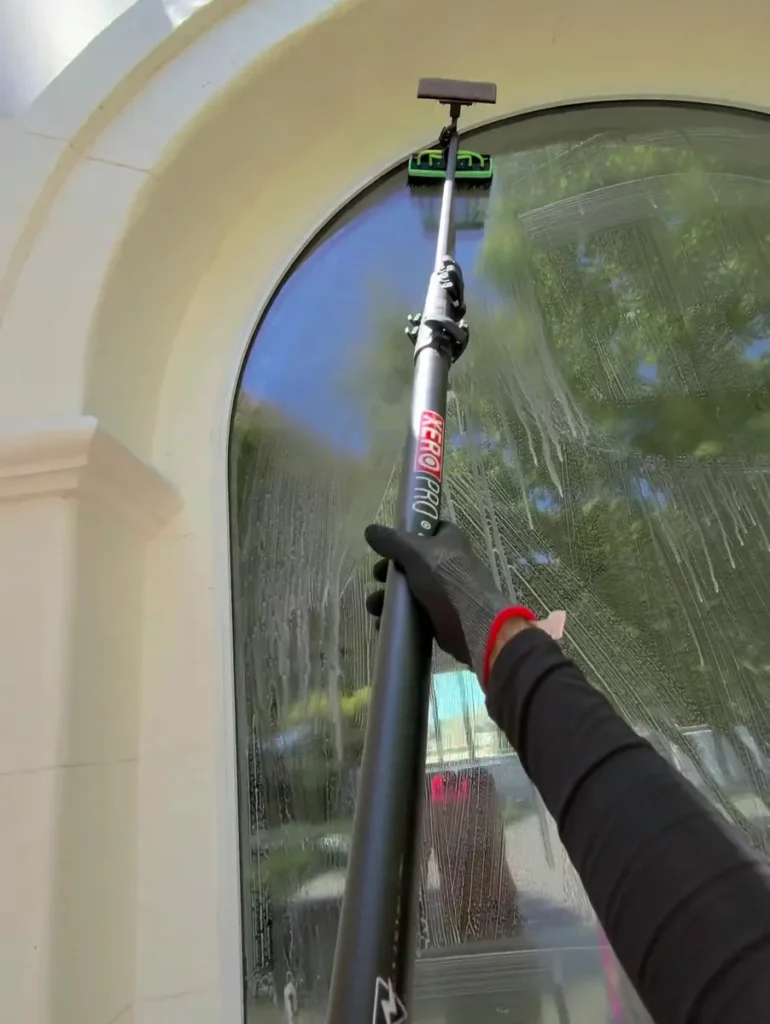
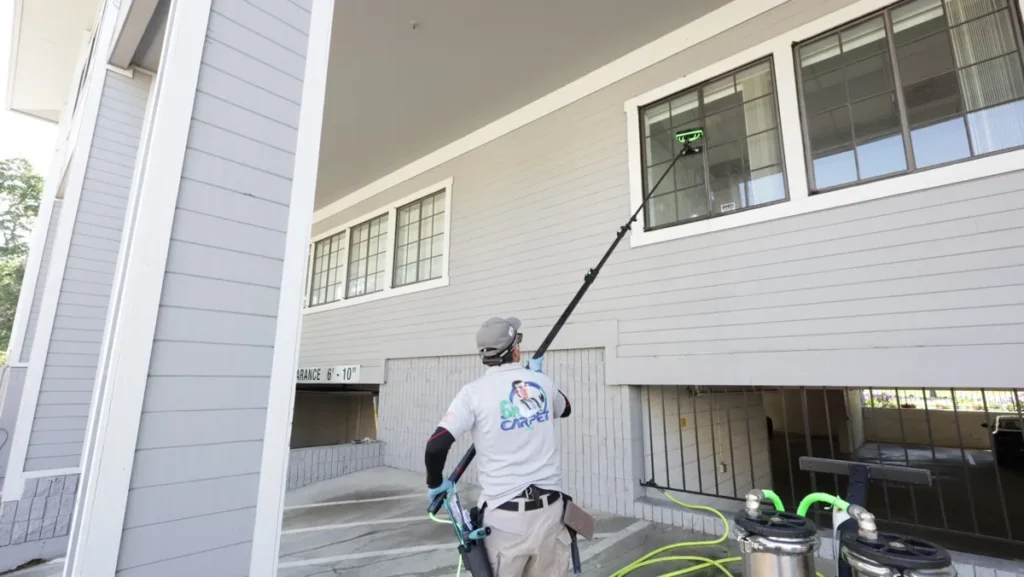
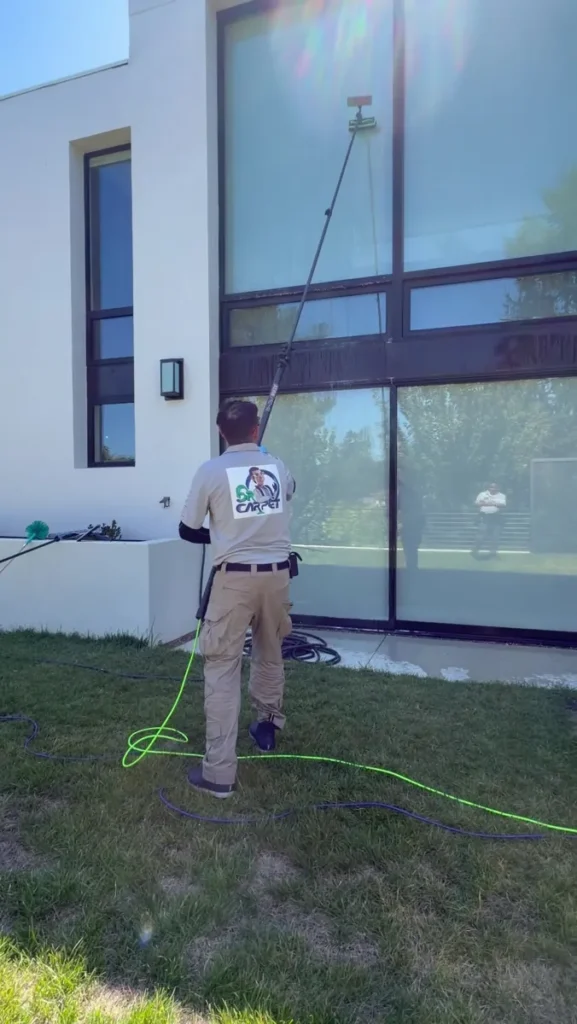
Carbon fiber poles carry pure water to a soft brush, so second-story windows and roof-mounted panels are cleaned from the ground in most cases. No ladders on the roof, no boots on the panels.
Solar panels vs. exterior windows: the steps side by side
Solar panel cleaning
- Inspection of panels, wiring and mounts
- Pre-rinse to lift loose dust and pollen
- Panel-safe, biodegradable cleaning solution
- Soft, non-abrasive brush agitation
- Final 0 TDS pure water rinse
- Natural drying, nothing touches the glass
Exterior window cleaning
- Inspection of glass, frames and seals
- Frames, sills and tracks cleaned first
- Professional window shampoo
- Walnut pad agitation for baked-on film
- Boar’s hair brush with purified water
- Final 0 TDS rinse and quality check
Why the process is almost the same
A solar panel is a sheet of tempered glass in a frame. The dirt on it is the same pollen, dust, bird droppings and sprinkler minerals that land on your windows. So the logic is the same: loosen the film with a gentle solution, agitate with a soft brush, rinse with pure water and let it dry on its own. The main difference is that panels get extra care around wiring and seals, and windows get their frames and tracks cleaned first so dirt does not run back onto clean glass.
And interior windows?
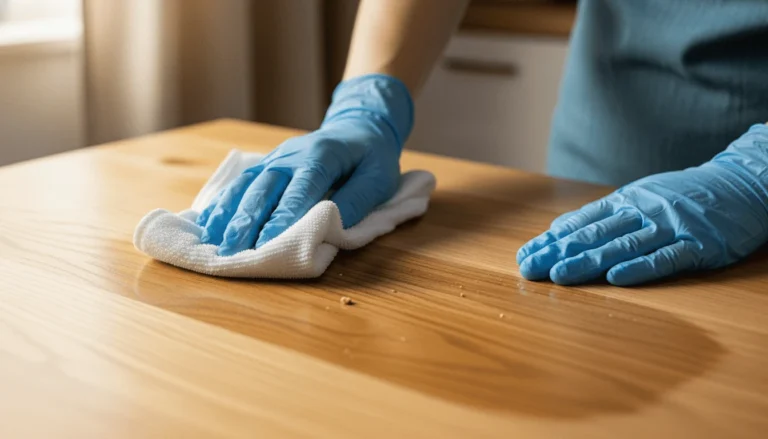
Inside the house there is no hose and no pole. Interior glass is cleaned by hand: drop cloths down, a window solution, a scrubber, a squeegee and microfiber to detail the edges, plus sills and tracks wiped out. It is not a pure water job, but it is the same visit. Booking interior and exterior together is the most cost-effective way to get every pane clear.
How often
Most East Bay homes do windows twice a year, in spring after the pollen and in fall before the rains. Solar panels usually need one or two cleanings a year; homes near oaks, construction or dusty roads may need more. A drop in your panel output with clear skies is often the first sign they are due.
Quick rule of thumb. Concrete, pavers and pool decks: pressure washing. Roofs, siding and stucco: soft washing. Windows and solar panels: pure water and a soft brush, never high pressure.
See our exterior window cleaning and solar panel cleaning services, or the full range of pressure and soft washing for driveways, patios, decks and roofs. We serve Walnut Creek, Lafayette, Danville and the rest of the East Bay.
Real jobs
Pure water cleaning in action
Windows and solar panels across Walnut Creek and the East Bay, cleaned by our team with water-fed poles and the XERO system. Tap a video to play it.




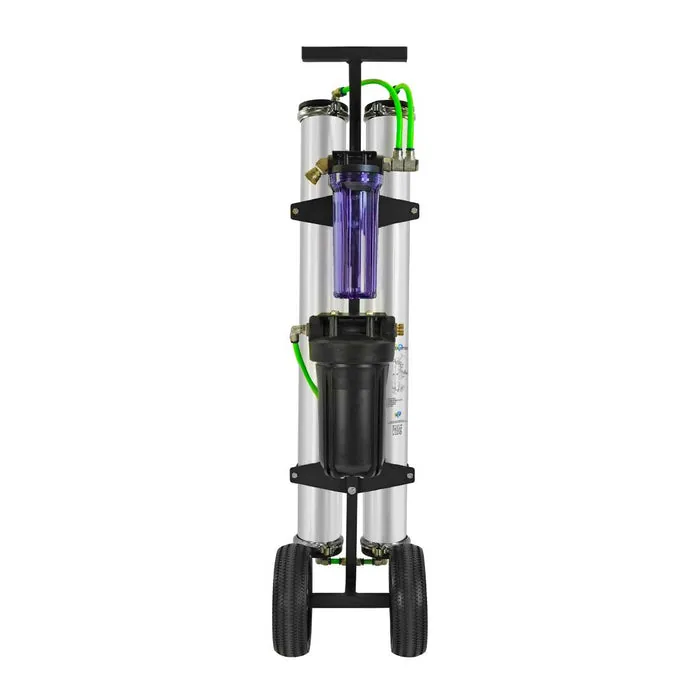
XERO Pure MAX: four stages, 0 TDS water
Tap water in the East Bay carries calcium, magnesium and silica. When it dries on glass or on a solar panel, those minerals stay behind as spots and film. Our XERO Pure MAX system filters them out before the water ever touches the surface.
- 1Pre-filterTakes chlorine, chloramine and sediment out of the tap water and protects the membranes.
- 2Reverse osmosis membrane 1The first of two membranes removes most of the dissolved calcium, magnesium and silica.
- 3Reverse osmosis membrane 2A second membrane filters the water again. This double filtration is what keeps the output pure all day.
- 4DI resin polishDeionization removes the last traces of minerals and brings the water to 0 TDS.
- 0TDS in the rinse water
- 4filtration stages
- 40 ftreach from the ground
- 2poles running at once
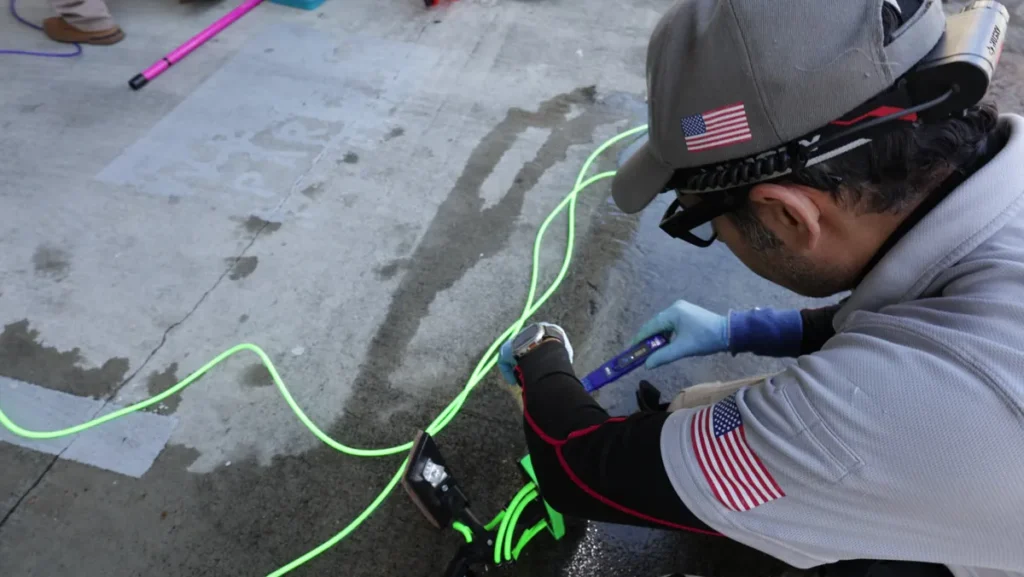
We test the water before it touches your glass
- Rated Excellent on GoogleReal reviews from East Bay clients
- IICRC Certified FirmTrained technicians, licensed and insured
- Safe for kids and petsProducts matched to every fiber and surface
- Locally ownedServing Walnut Creek and the East Bay
The meter reads 0 TDS: nothing dissolved in the rinse water, so nothing is left behind when it dries.
Pure water cleaning: common questions
Can I pressure wash my solar panels myself?
We advise against it. High pressure can damage seals and wiring and may void a manufacturer warranty, and tap water leaves mineral spots that reduce output. A soft brush and pure water rinse is the safe method.
What does 0 TDS mean?
TDS stands for total dissolved solids, the minerals in water. Our four-stage system filters water down to a reading of 0, so nothing is left on the glass when it dries.
Do you use soap on solar panels?
Only a panel-safe, biodegradable solution when the film needs it, followed by a full pure water rinse so no residue is left behind.
Is the window process really the same as the solar process?
Very close. Both use the same pure water system and soft brushes. Windows add frame, sill and track cleaning plus a walnut pad step for baked-on film; panels add extra care around wiring and mounts.
Do you clean interior windows too?
Yes, by hand with a squeegee and microfiber, on the same visit as the exterior. Combining both is the most cost-effective option.
Do you pressure wash anything?
Yes: driveways, sidewalks, walkways, patios, garage floors, decks and pool areas. Roofs and siding get soft washing instead.
Windows or panels due? Ask for a price.
Tell us roughly how many windows or panels, how many stories and your town. Photos help. You get a written estimate before any visit.

The Dr. Carpet team
Everything here comes from the people doing the work. Dr. Carpet was founded in 2018 by Pedro Andrade, trained at Jon-Don and certified by the IICRC, and we still follow the same rule on every job: inspect first, pick the right chemistry, extract thoroughly and finish with pH neutralization. We clean homes and businesses across Contra Costa County and the Tri-Valley, with a written price before anyone starts.